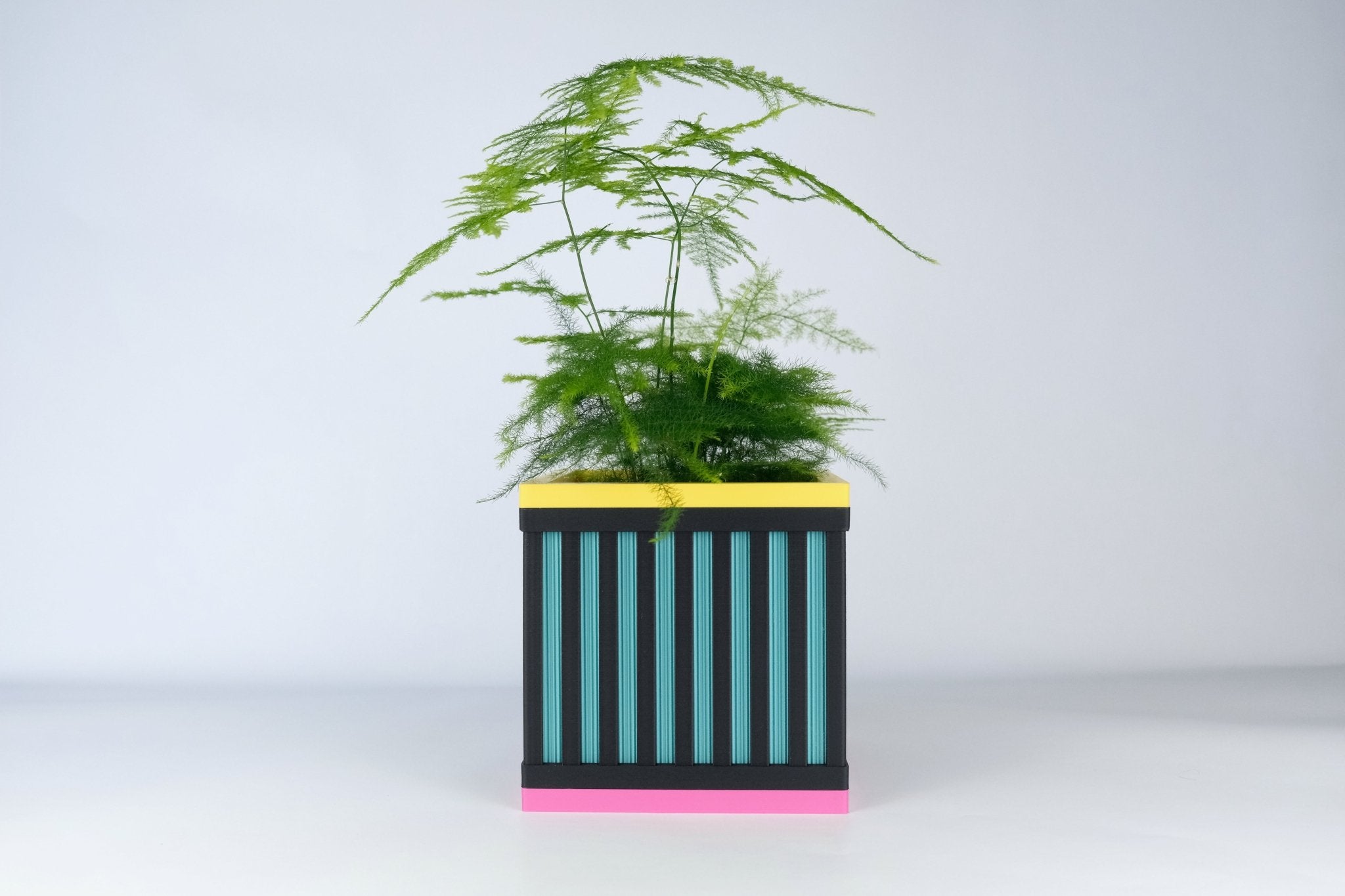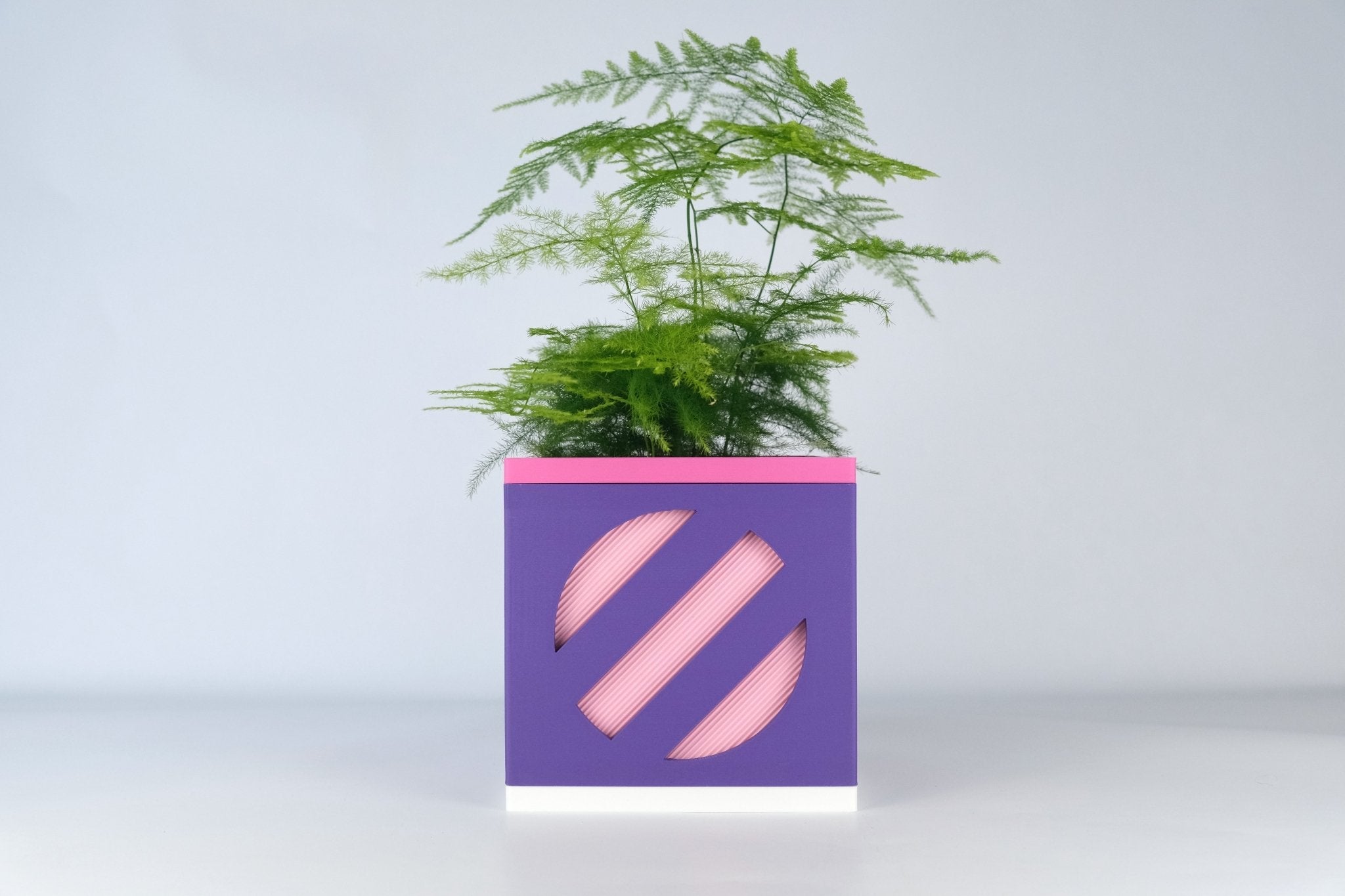
An object can boast a pretty natural color, a kraft cardboard box, and a couple of sentences about the planet without actually being better thought out or designed. Conversely, a simple, precise piece, made without much fanfare, can have a much more coherent impact. If you're looking for how to recognize an eco-designed object, you have to look beyond appearances and rhetoric.
The issue isn't just the material itself. It's the whole process: how the object is designed, produced, transported, used, repaired, and then maintained over time. An eco-designed object isn't perfect. It simply makes better trade-offs, in a way that's easily understood.
How to recognize an eco-designed product at first glance
The first clue is often clarity. A reputable brand knows how to explain what it does, where it does it, and why. No need for a three-page manifesto. But if everything remains vague—"responsible" materials, "ethical" manufacturing, "controlled" production—without any details, it's cause for concern.
An eco-designed object demonstrates overall coherence. Design isn't about superficial decoration. It serves a function, minimizes excess, avoids useless pieces, and considers stability, usability, and maintenance. When a form appears balanced and intuitive, it's not just a matter of style. It's often also a sign of expert design.
Another helpful sign: the brand embraces nuance. It doesn't promise a "zero impact" product. It talks about concrete choices, predominantly bio-based materials, local manufacturing, lifespan, and repairable assembly. This language is less sensational, but significantly more credible.
1. The materials are selected
The word “ecological” means nothing on its own. What matters is the exact nature of the materials and how they are used. Solid wood, recycled steel, plant-based bioplastics, recycled glass, cork, certified textiles: each material has its qualities, its limitations, its own carbon footprint.
A reputable brand specifies the composition. It avoids formulations like "sustainable materials" without further information. It can also explain why it chose one material over another: resistance, weight, recyclability, local production, lower environmental impact during manufacturing.
2. Manufacturing is localized and verifiable
The place of manufacture doesn't tell the whole story, but it reveals a lot. Knowing where an object is designed, manufactured, and assembled allows you to understand the actual supply chain behind the product. The more transparent this supply chain is, the more concrete the evaluation becomes.
Made in France, in Europe, in a specific workshop, in a named partner factory: this level of precision matters. It doesn't guarantee exemplary eco-design, but it reduces the brand's opacity. Conversely, when only the final stage is done locally and everything else comes from far away, it's better to distinguish between final assembly and actual manufacturing.
For a decorative object or lightweight furniture, local manufacturing can also reduce the transport footprint, improve quality control and facilitate small-batch reproduction rather than overproduction.
3. Sustainability is considered from the design stage
An eco-designed object must last without becoming tiresome too quickly, without breaking at the slightest bump, and without becoming obsolete after just one season. This is where design truly comes into its own. A clean line, a balanced visual presence, and a clear function all contribute to extending the object's lifespan in its interior.
Durability isn't just a technical matter; it's also an aesthetic one. An object entirely dictated by a fleeting trend is likely to be quickly replaced, even if it's sturdy. Conversely, a piece with a strong but well-defined identity retains its appeal for longer.
Look at the very concrete details: stability, assembly quality, sense of proportions, ease of cleaning, resistance of finishes, possibility of replacing an element.
4. The object avoids impossible assemblies
This is a less visible but crucial point. Many objects combine plastic, metal, foam, glue, varnish, and non-removable components. As a result, they are difficult to repair and complicated to recycle, and often end up being thrown away as a single unit.
An eco-designed object tends towards a simpler construction. Parts can be disassembled, materials better separated, and fastenings cleaner. This isn't always 100% possible, depending on the type of product. A lamp doesn't have the same constraints as a plant pot or a bookend. But the underlying principle remains the same: reduce unnecessary complexity.
This simplicity also has an aesthetic effect. It often results in objects that are cleaner, more legible, with a softer presence in interior decoration.
5. The packaging is not there to distract from the main point.
Recycled cardboard and low-impact ink are welcome. But eco-friendly packaging doesn't compensate for a poorly designed product. The order of priorities remains the same: first the product, then its packaging.
Packaging, however, remains a good indicator. If it's oversized, filled with disposable items, or designed to impress rather than protect, there's a disconnect. Well-designed packaging does its job precisely: it protects without excess, uses minimal materials, and remains easy to recycle.
In the world of interior design, this simplicity is often a good sign. It shows that the entire experience has been considered, not just the photo of the package opening.
6. Facts behind the words
This is often where the difference between sincere intention and greenwashing lies. When a brand claims that an object is eco-designed , it must be able to anchor it in facts: sourced materials, identified workshop, small series production, usage tests, repairability, return policy, duration of parts availability.
Labels can be helpful, but they aren't always used, especially by smaller organizations or studios that produce their own music. Their absence doesn't necessarily mean the approach is weak; it simply means the cost of these labels is prohibitive. However, if nothing is documented anywhere, caution is advised.
A brand like Les Arcadiens, for example, designs and manufactures in its own workshop in Caen, using mostly bio-based materials, on-demand 3D printing, and a second-life program to recover materials. This type of information allows us to judge concrete actions, not just a narrative.
7. The price reflects a production reality
An eco-designed product isn't necessarily out of reach. But it's rarely ultra-cheap. Producing locally, selecting suitable materials, manufacturing in small batches, careful assembly, and minimizing waste all come at a real cost.
The most useful approach, therefore, is not to look for the lowest price, but the fairest price. Does it reflect local production, tangible material quality, or a longer lifespan? Or is it based primarily on a well-crafted sales pitch?
It all depends on the intended use. For a very simple item, a high price isn't always justified. For a well-designed, functional piece, made locally and intended to last you the next 10 years, the equation changes. The best purchase isn't necessarily the cheapest. It's often the one you don't replace six months later.
How to recognize an eco-designed product without being tricked
The simplest approach is to consider three questions: What is the object made of? Where and how is it manufactured? Can I imagine it in my home for a long time? If any of these answers remain unclear, the purchase of this object probably warrants some reflection.
We must also be wary of hasty judgments. Local doesn't always mean perfect. Bio-based doesn't automatically mean sustainable. Minimalist design doesn't necessarily mean responsible. Eco-design is a matter of making choices, not a magic bullet.
When it comes to home decor, perhaps the most overlooked criterion is its long-term desirability. An object with real presence, a distinctive design, a well-chosen material, and a clear purpose is more likely to be a part of your life for years to come. And keeping an object over time is already a form of eco-conscious choice.