You've probably noticed it already: a warped tray, a lamp whose color is fading, a plant pot that's starting to get damp. Ultimately, it's not just a matter of taste, but also of lifespan, materials, and manufacturing methods. Today, durable, locally made everyday objects are no longer just a decorating trend. They are pieces that create a real presence in your home and allow you to break free from the exhausting cycle of buying and replacing.
The real question is the level of expectation you have for your home. An object you use every day can't hide its true value for very long: its quality always eventually becomes apparent. It should be repairable if needed, adaptable to your changing lifestyle, and remain desirable long after the initial novelty has worn off.
Why local is a real game changer
Choosing to buy local is not a small symbolic gesture. It is often the best way to obtain three very concrete guarantees: traceability, peace of mind, and consistency.
Traceability is key. When an item is manufactured a few hundred kilometers from your home, it's easier to know where the materials come from, how they are processed, and under what conditions they are assembled. The choices made in the workshop, from the finishing touches to the packaging, become visible, and the brand's promise can be compared to reality.
Next comes quality control. Local production allows for faster adjustments to details, better control of production runs, and more consistent quality. The focus is no longer on production volume, but on precision: offering a well-finished, stable piece truly designed for its intended use, rather than a mere decorative item.
Finally, consistency. A sustainable everyday object isn't just about being sturdy. It embodies a philosophy of life, with fewer impulsive purchases and more deliberate choices. Local manufacturing encourages design studios to take responsibility, step by step.
What makes an everyday object truly durable
Sustainability is not based on a miracle material but on a series of choices.
The first is resistance to wear and tear. An object placed near a window, in a kitchen, or on a desk is not subjected to the same stresses. Heat, humidity, light, repeated impacts: a tray, a lamp, or a plant pot will not age in the same way depending on its location in the home. A truly durable object is designed with this in mind, taking into account these small, everyday situations.
Second point: repairability. Simple assembly and replaceable parts are excellent signs. Conversely, a glued joint that cannot be undone, unavailable components, or an ultra-fragile coating quickly transforms a beautiful object into a disposable product, even if the marketing around it is intended to be premium.
But the most decisive criterion often remains aesthetic durability. An object that becomes unbearable to look at after a year is not durable, even if it's still intact. Good design is characterized by clean lines, carefully chosen colors, and proportions that continue to work when you move, repaint, or change your sofa. The object finds its place again, rather than ending up at the bottom of a box.
Simple criteria for making the right choice (without becoming an expert)
Good news: you don't need a design degree to spot a well-designed product. A few questions are all it takes.
Start with real use. What will the object be used for, when and where? A catchall tray that is always full, a lamp that is turned on every night, a bookend that is constantly being handled, a plant pot that is hastily watered: in all these cases, the piece must be designed for real life, not just for an inspiring photo on Instagram.
Next, look at the manufacturing process. Seek a clear description of the manufacturing process : materials, production location, key stages, and quality control. When everything is entirely outsourced to the other side of the world, responsibility is diluted. When the studio designs and manufactures in the same workshop, as is the case for Les Arcadiens in Caen, it retains control over what it offers you.
Third, check the suitability of the material for its intended use. Raw wood doesn't react like a bioplastic in a humid environment. Painted metal can scratch if it's constantly bumped. Bio-based materials are very promising, provided their formulation and application are properly controlled. Sustainability often relies on intelligent compromises rather than a purely aesthetic form of purity.
Finally, take a look at the warranties and after-sales service. A product designed to last usually comes with reliable delivery, easy returns, and accessible customer support. Durability also means peace of mind once the item is installed in your home.
Materials: the truth is in the details
The terms "natural", "eco" or "responsible" are everywhere. However, what really makes the difference often lies in the details.
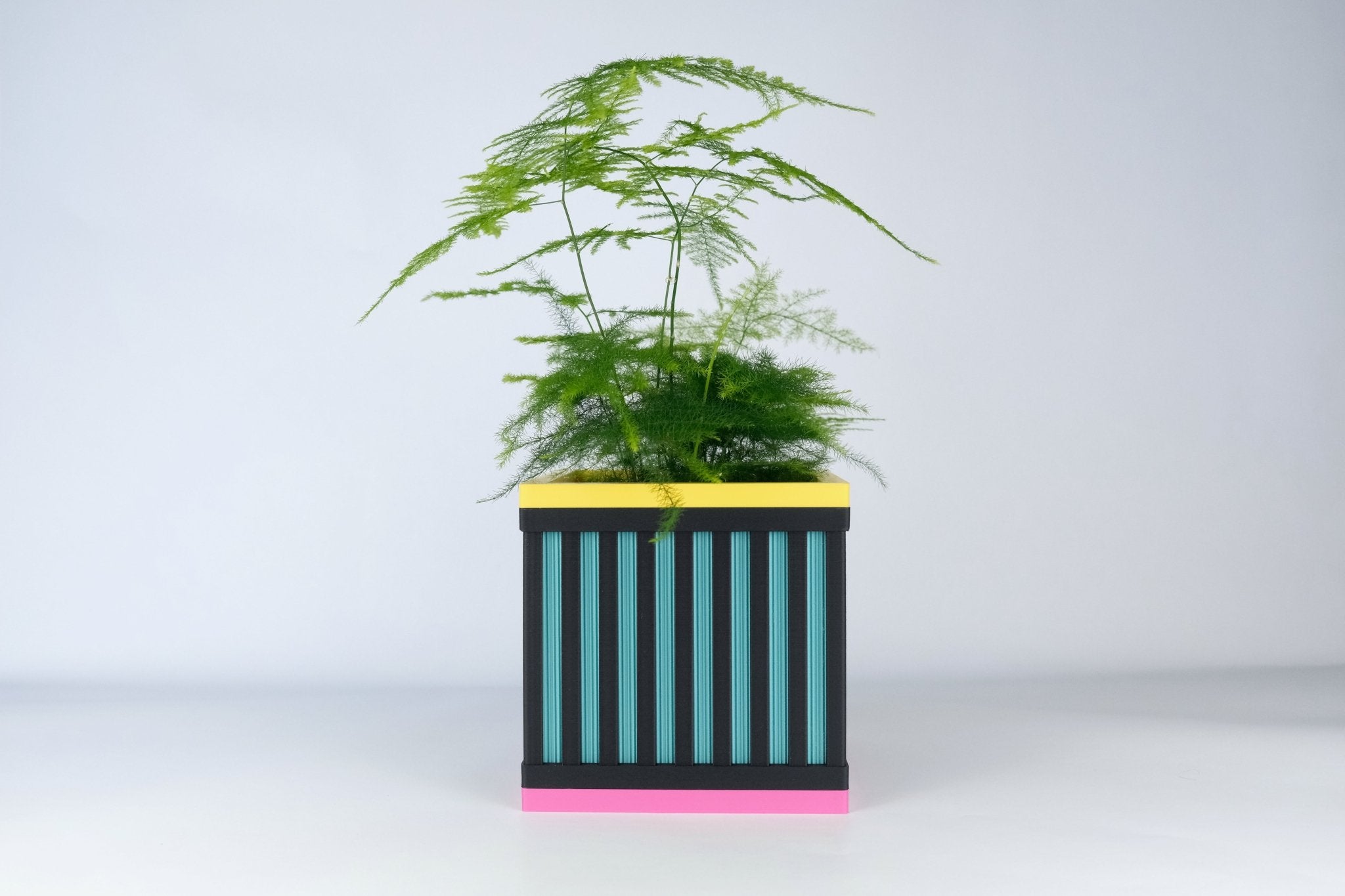
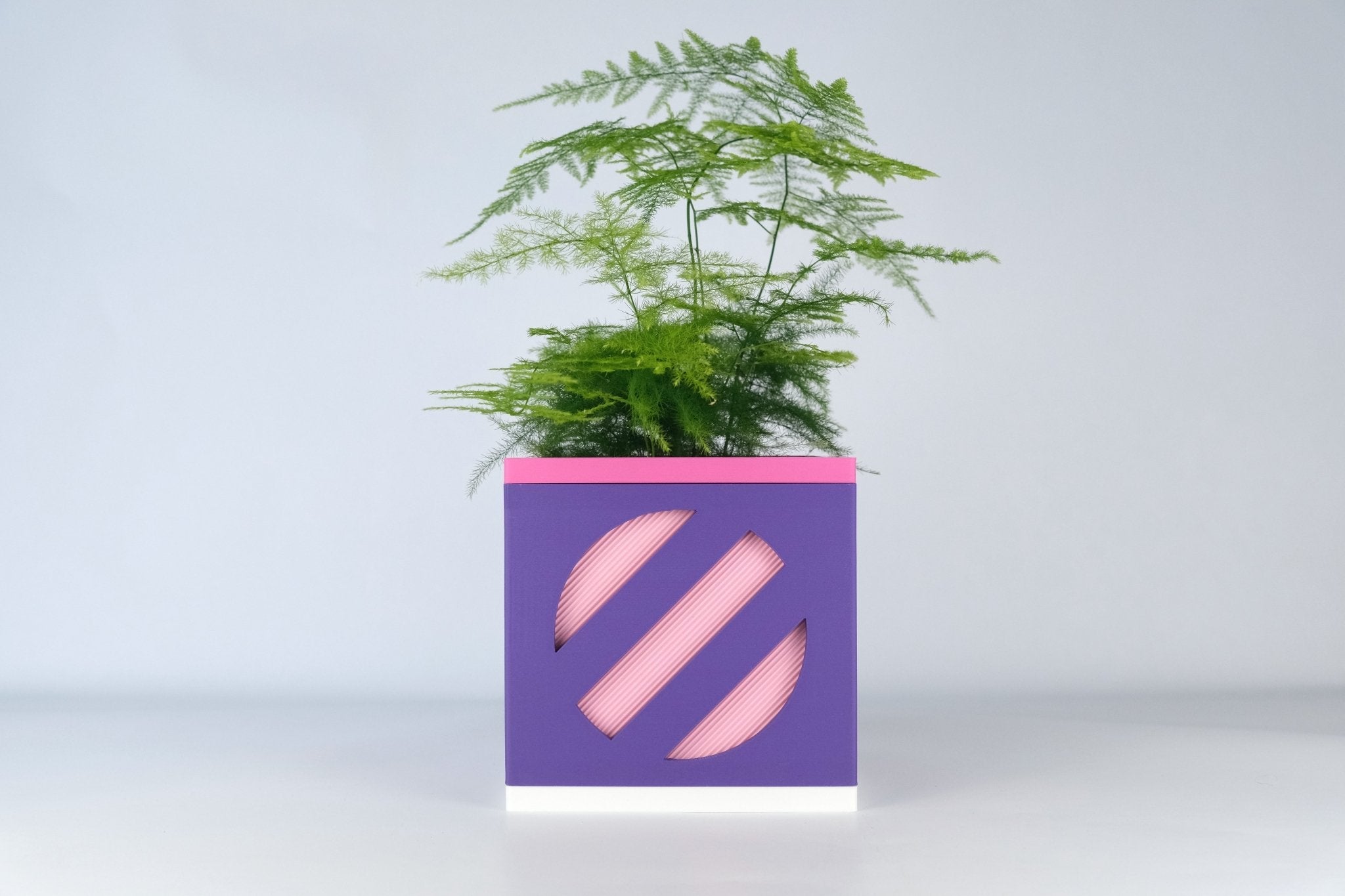
Bio-based materials, for example, are an excellent way to reduce dependence on fossil resources. At Les Arcadiens, they are central to the collections, whether it's a planter like Le Cube or a lamp like Interstice. Their relevance depends on several factors: origin, the actual proportion of renewable material, recyclability, and how they age. A material that sounds very virtuous on paper, but breaks or deforms easily, quickly loses its appeal.
Mineral and metallic materials, on the other hand, offer great robustness. Their production often requires more energy, but local manufacturing in small batches significantly limits the impact of transport, over-packaging, and energy expenditure related to excessively long manufacturing and distribution chains.
One last key point: the finish. A good finish doesn't just add an effect; it protects the material, makes cleaning easier, and helps the object age gracefully. This is often where you can see if the brand has truly considered everyday wear and tear: dust, fingerprints, water, minor scratches.
Everyday objects: those worth the investment
Investing in durable pieces means investing in an object that you will be around every day.
Light, first and foremost. A well-designed table lamp can single-handedly transform the atmosphere of a room. It shapes the light, creates more intimate spaces, and sets the tone as soon as night falls. To be durable, it must be stable, easy to maintain, and compatible with readily available light bulbs. Light is not meant to be harsh, but to make a space more livable.
Next come the storage items that remain visible: bookends , catch-all trays, small containers. These objects are constantly being handled. They must therefore be robust, both in terms of material and the image they project. Too light, they appear fragile. Too heavy, they quickly become a visual distraction.
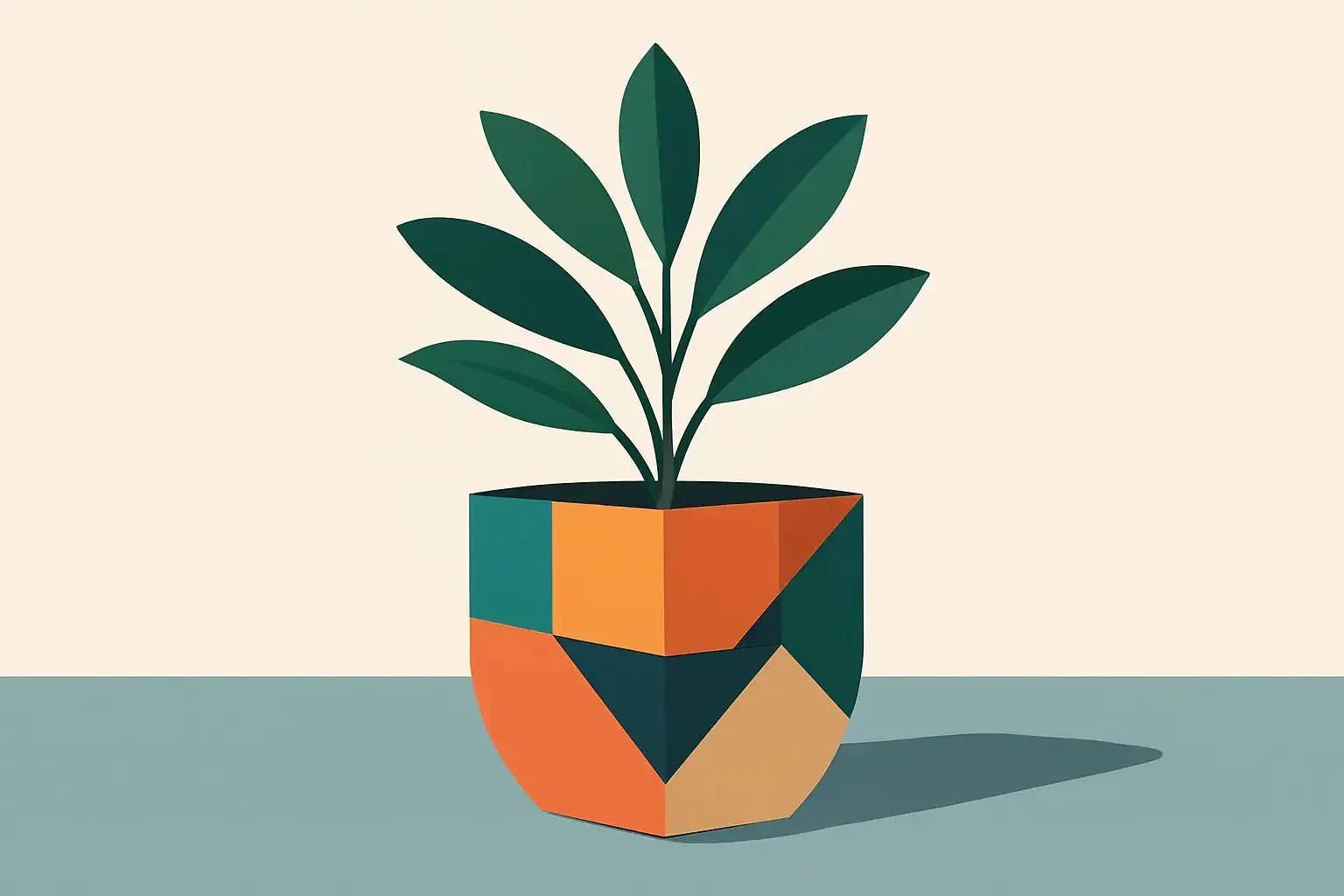
When it comes to plants, planters and supports play a key role. They thrive in contact with water, soil, and sunlight. A good planter should tolerate some spillage, be easy to clean, and maintain its clean lines over time.
All these categories of objects have one thing in common: they structure space without overwhelming it. They are invaluable allies when moving house, rearranging a home office, or simply wanting to update your interior without replacing all the furniture.
Choosing local: understanding what this entails
Buying locally isn't necessarily cheaper in the short term, and that's not necessarily the goal. The price of a workshop-made item often reflects limited production runs, carefully selected materials, and a manufacturing time that isn't measured solely in minutes of production.
This model also means accepting a different pace: sometimes tighter stock levels, colors produced in small batches, and occasionally slightly longer lead times. This isn't a drawback but rather the consequence of controlled production, which avoids overstocking and unsold inventory.
How to integrate these pieces without adding clutter
To give character to an interior, it's rarely necessary to use a multitude of objects. Three bold decisions often have more impact than fifteen minor compromises.
A good approach is to choose a specific area: a shelf, a console table, a desk, a coffee table. Place a focal point there, whether through its color, light, or geometry, and let the surrounding space breathe. A well-designed object deserves to stand out from the crowd.
Play with textures too: matte and satin, mineral and textile, wood and solid color. These combinations create a sense of reality and depth, without necessarily adding more objects. It is in these dialogues that sustainable and locally sourced pieces reveal their full strength: they don't seek to occupy space, but to structure the whole.
Above all, don't be afraid to use them. An object that's overprotected, that you don't dare touch, ends up disconnected from daily life. If you're afraid to put your keys on it, place a book on it, or water your plant, perhaps the room isn't in the right place for it. Good design is meant to live with you, not next to you.
Locally made, workshop version
When design and manufacturing take place in the same location, the object gains coherence. Proportions are tested live, assemblies are simplified, and finishes are chosen based on their long-term durability. This is precisely the workshop spirit we champion at Les Arcadiens studio: graphic pieces, produced in Caen, using bio-based materials, in small-batch production.
This way of working changes a lot of things. A workshop sees its objects come into being, observes them aging, and receives feedback from the people who use them. It can correct, improve, and adjust. This feedback loop is almost impossible to achieve when the production chain is spread across several countries.
Maintain to make it last (without ritualizing it)
Taking care of a durable item shouldn't become a complicated ritual. It's mainly about avoiding bad habits.
In most cases, a soft microfiber cloth and simple cleaning are all that's needed. Abrasive products and rough sponges are the worst enemies of beautiful finishes. For rooms located near a water source, quickly wiping up splashes helps prevent the build-up that dulls and wears down surfaces.
Over time, some objects develop a patina. Before discussing wear and tear, it can be helpful to consider whether it's a genuine defect or simply the beginnings of a story. Some signs of life indicate that a piece has been used daily. Others point to a design flaw. A well-designed object accepts this element of reality without deteriorating too quickly.
At the end of their lifecycle, some brands even make it possible to give their creations a second life. At Les Arcadiens, we take back our end-of-life items to grind them up and reuse the material in the prototyping or new project phases, while offering you a voucher to encourage this initiative.
Looking for durable, locally made everyday objects means seeking pieces that resonate with your environmental approach as much as with your daily life. Softer lighting, better-thought-out storage, a color that sets the tone for the room. In other words, a simple way to make your home a place where you feel good, at peace with yourself.